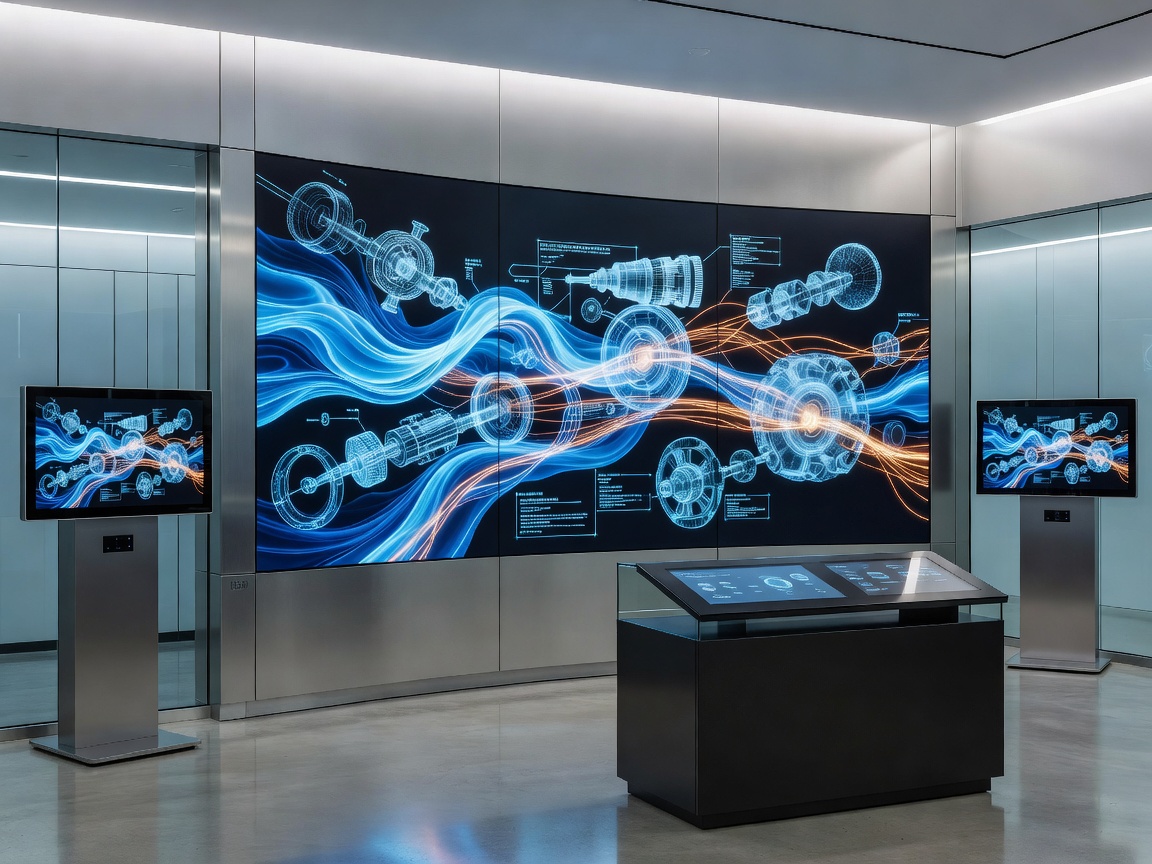
Models, tools, and interpretation
What is a simulation?
A simulation is a representation of a system or process that can be explored over time or under different conditions. It may model traffic, a building, a scientific process, a training scenario, or a fictional world. Some simulations are interactive and respond to user choices; others run a predefined scenario for observation.
Virtual reality can provide a way to experience a simulation, but VR and simulation are not the same thing. A VR environment may be an artistic or entertainment experience without modelling a real-world process. A simulation may also be presented on a standard screen, in a classroom, or through a physical control system.
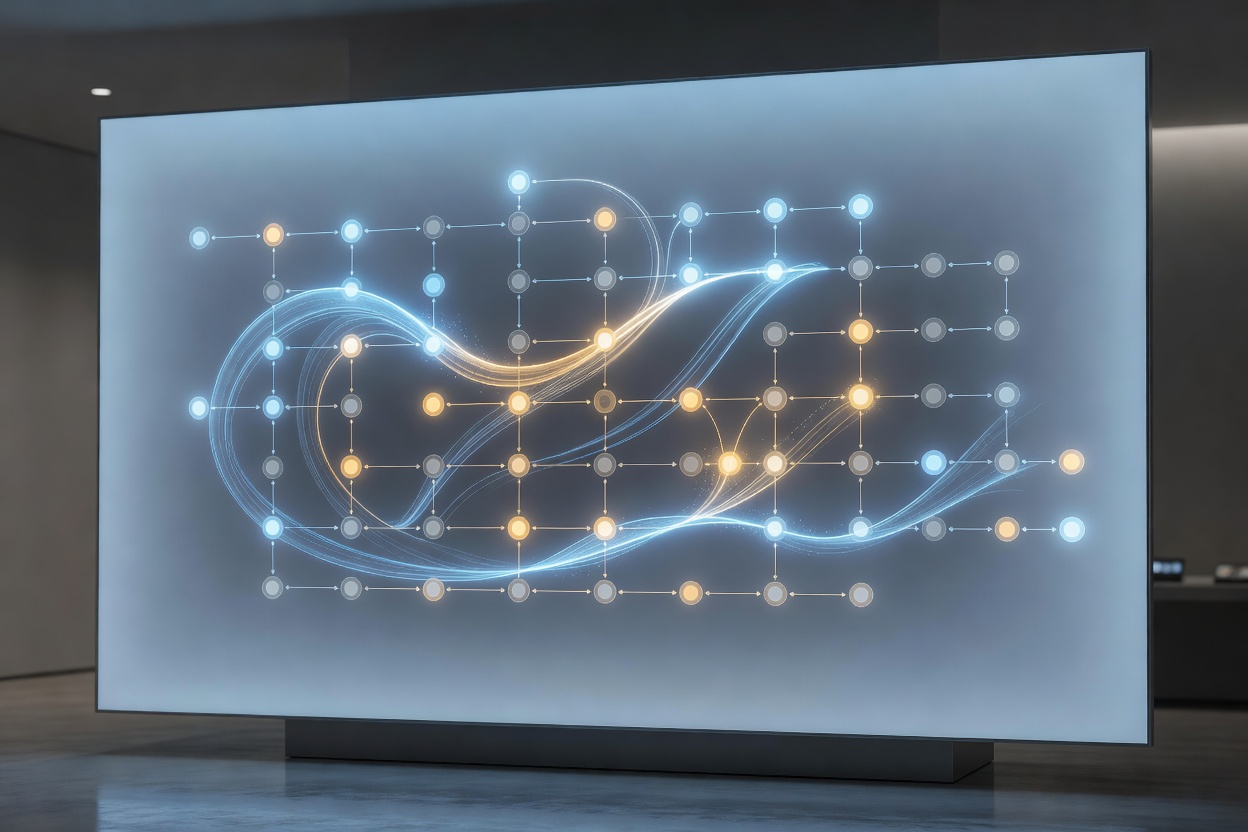
A useful model makes its purpose and assumptions understandable.
How simulations are used
Training and rehearsal
Simulations can provide a place to practise procedures or respond to scenarios without reproducing every real-world consequence. Training tools are used in many fields, including aviation, healthcare, emergency response, and industrial operations. Their value depends on how well the exercise matches its learning goal, how it is facilitated, and whether participants receive useful feedback.
Design and planning
Designers and planners may use models to explore layouts, compare options, or communicate how a proposed space could work. A building model, for example, may help people inspect routes or spatial relationships. The model may simplify materials, lighting, human behaviour, or construction details, so it should not be treated as a substitute for appropriate professional review.
Scientific and educational exploration
Educational simulations can make changing variables visible and help learners test a hypothesis. Scientific models can represent processes that are difficult to observe directly. A simulation is still an interpretation: its outputs depend on the data, equations, scope, and assumptions used to build it.
Interactive entertainment
Games and virtual worlds often simulate movement, physics, environments, or social systems for the purpose of play. They may borrow real-world ideas while simplifying them to create a coherent experience. A game mechanic should not automatically be read as a precise scientific or practical model.
What makes a simulation trustworthy?
Trustworthiness begins with a clear purpose. A model built to introduce a concept has different requirements from one used to support high-stakes decisions. Ask what the simulation is intended to represent, who developed it, what information it uses, and how its results have been checked. Where possible, look for explanations of uncertainty and known limitations.
Validation and verification are related but distinct ideas. Verification asks whether a model has been implemented as intended. Validation asks whether it represents the real-world system well enough for its stated purpose. Neither means that a model is universally accurate in every context. The appropriate evidence and review process depend on the application.
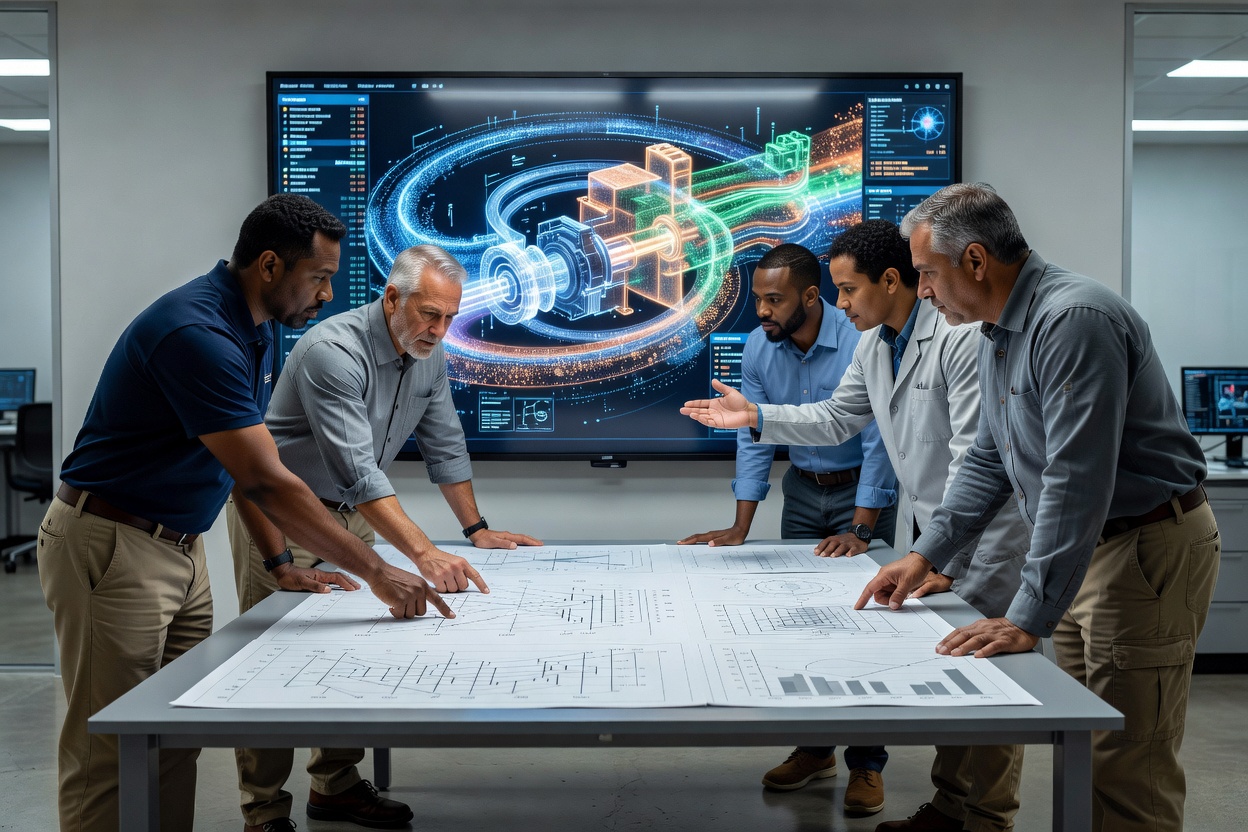
Interpreting results requires context, not just a detailed visual display.
Questions to ask about a model
- What question or task was the simulation designed to address?
- Which parts of the real system are included, simplified, or left out?
- What data or assumptions shape the model?
- Has it been tested for the purpose it is being used for?
- Does it show uncertainty, confidence, or alternative outcomes?
- Who is responsible for interpreting the results?
Realism is not the same as accuracy
High-resolution graphics, spatial audio, and responsive controls can make a simulation feel plausible. They do not tell you whether the underlying model is correct. A visually simple tool can be useful if it represents the relevant relationships well; a photorealistic scene can still use incomplete or unsuitable assumptions. Evaluate the evidence and purpose behind the model, not only its presentation.
Good for
Simulations can support demonstration, exploration, rehearsal, and learning when their scope is clear and the experience is appropriate for the task. Treat results as model-based information rather than a guarantee of what will happen in the real world.
What to know
Simulation technology can make complex scenarios easier to explore, but it cannot remove uncertainty from the subject being modelled. If a simulation informs a consequential decision, seek suitable expert advice and check the model’s documented purpose, evidence, and limitations.
For related cultural applications, read about immersive museums and exhibitions. To compare participatory digital formats, see interactive entertainment worlds. You can send questions through our contact page.