Different kinds of digital visit
What is virtual tourism?
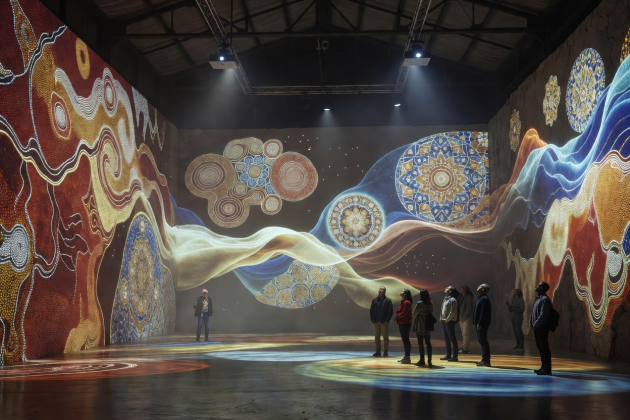
Virtual tourism uses digital media to help people explore a place or cultural subject remotely. The experience might be a simple panorama on a website, a narrated online tour, a 360-degree video, or a headset-based environment. Some experiences show recorded views of real locations; others use a digital reconstruction or a composite created for interpretation. It is useful to distinguish these approaches because they offer different kinds of evidence and freedom to explore.
A virtual visit may help someone prepare for a physical trip, revisit a place from home, or explore a location that is difficult to reach. It can also support lessons and cultural interpretation. It cannot reproduce every feature of travel: changing weather, local sounds, social encounters, physical scale, and the unexpected discoveries of being present remain part of a real visit.

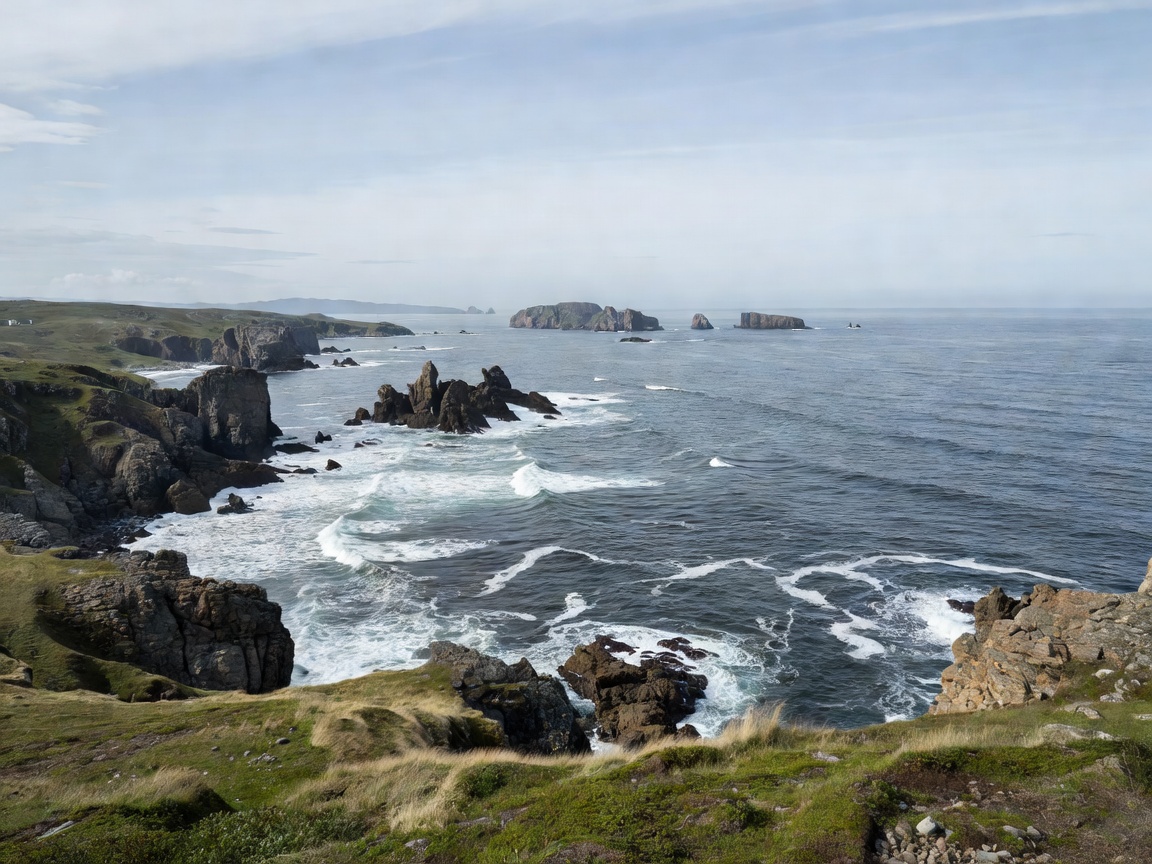
A panorama lets a viewer look around a captured scene; it does not create a live location.
Four formats to compare
Browser-based tours
Web tours usually work on a computer, tablet, or phone. A visitor may move between photographs, read captions, listen to narration, or open selected details. They are often the easiest option to try because they require no headset, although a stable internet connection and a current browser can still matter. A browser tour may offer a limited viewpoint rather than a freely navigable model.
360-degree panoramas and video
A panorama captures a view in every direction from a particular position. The viewer can look around, but not necessarily move to another point. A 360-degree video shows recorded motion through a scene; the person looking may choose where to look but cannot direct the camera or alter the environment. Both can communicate atmosphere and spatial context, though compression, capture conditions, and camera placement shape the result.
Headset-based travel experiences
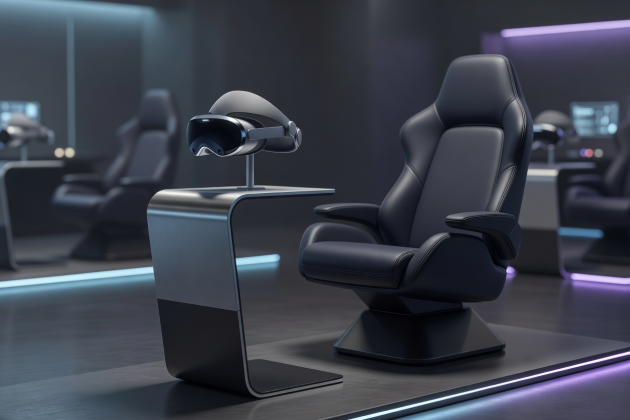
A headset can make a 360-degree scene feel more enclosing and may present a modeled environment at a scale that feels spatial. Depending on the experience, visitors may look around, move between locations, or interact with objects. These capabilities vary; do not assume that every headset tour includes free movement or a live guide. Headsets also bring device-fit, comfort, motion-sensitivity, and setup considerations.
Digital heritage reconstructions
A reconstruction models a historical place or an earlier version of a site. It may be based on archaeology, archives, architectural drawings, or interpretive decisions. A careful presentation explains which elements are documented and which involve uncertainty. A virtual model of the Colosseum in Rome is not a visit to the physical monument, and an independently created model should not be confused with an official site service. The Louvre in Paris and the Acropolis in Athens are real cultural destinations, but their mention here does not claim that any specific VR tour is currently offered by them.
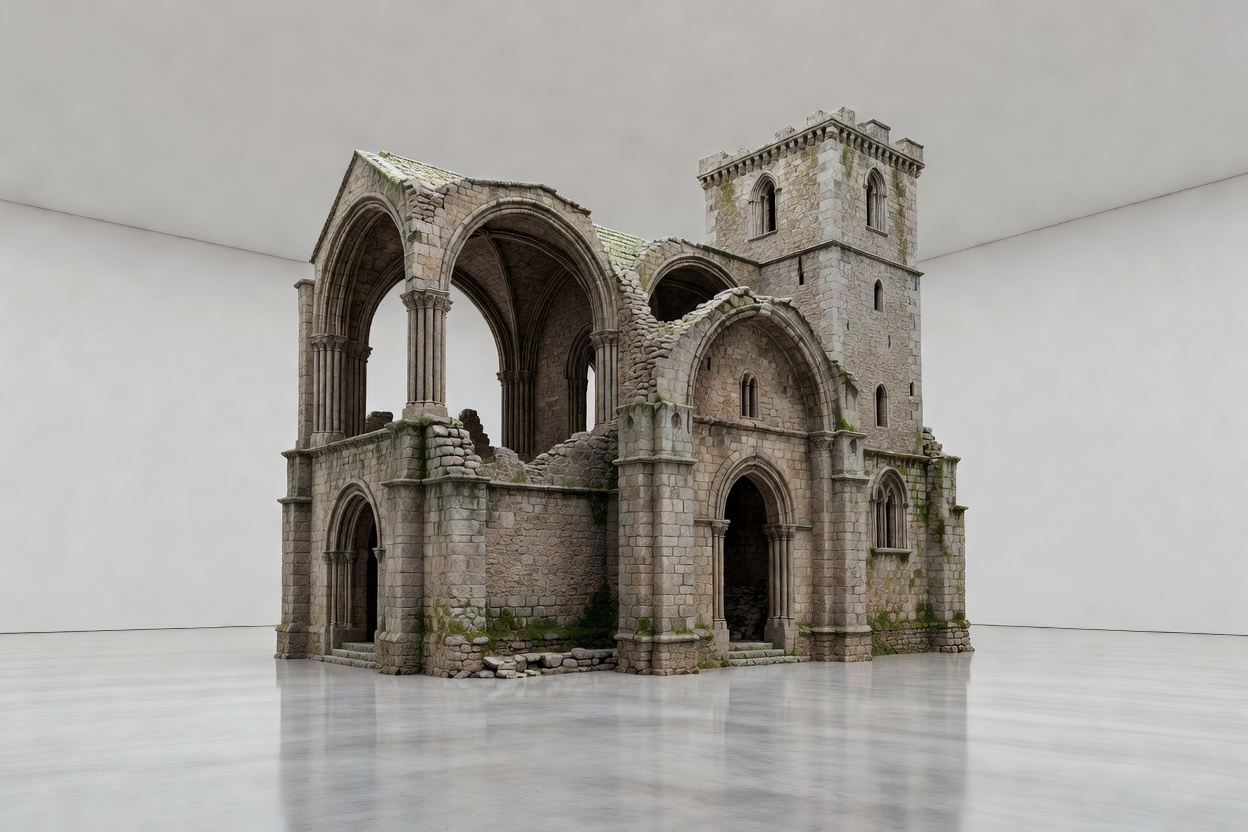
A digital reconstruction is an interpretation built from available evidence.
Places and perspectives
Real geography gives a virtual visit context. A panoramic view of Icelandic landscapes can communicate scale and weather in ways a map cannot; a model of a historic district in Tallinn or architectural landmarks in Riga can help viewers notice street patterns and building details. The Norwegian fjords offer a useful example of a landscape whose depth is difficult to capture in a single image. These are subjects, not promises of a particular current service.
For a virtual visit to a named landmark, check whether the content comes from the institution, a cultural partner, an independent creator, or a general map platform. Look at the capture date when available. A recorded panorama may not reflect current access, restoration, or conditions at the physical site.
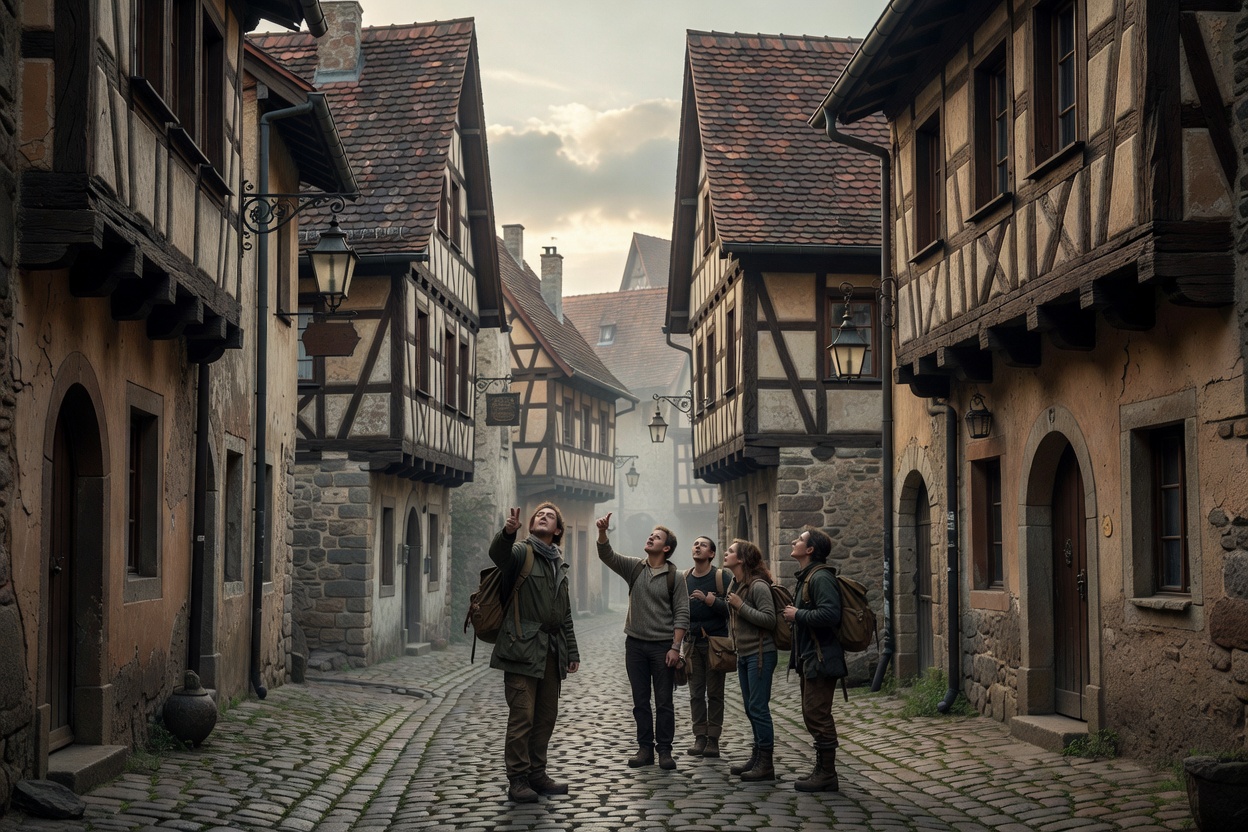
Street-scale views can help introduce architecture and urban context.
Guided tours, language, and access
A guided online tour may provide narration, a live presenter, or a sequence of chapters. Check the language, caption availability, pace, and whether questions are supported. A self-directed tour can be more flexible, but may provide less context. For headset content, confirm device compatibility and whether the experience is seated or requires movement.
Virtual access can reduce some travel barriers, but digital access has its own limitations. A person may need a suitable device, reliable internet, captions, screen-reader compatibility, or a low-bandwidth option. A headset is not automatically more accessible than a browser. Ask whether controls can be adjusted and whether content is available in formats that meet your needs.
Benefits and limitations
Remote experiences can support curiosity, trip planning, classroom conversation, or access to a distant view. They can make a place available at a time that suits the viewer and sometimes offer perspectives that are difficult to see on-site. On the other hand, image quality and camera position can constrain exploration; a model can simplify complexity; and no digital representation fully substitutes for the physical, cultural, and social dimensions of a place.
Good for
Virtual travel suits trip preparation, informal learning, remote exploration, and a first look at places far away. It can also be a flexible alternative for people who cannot easily make a physical visit, while remaining distinct from that visit.
What to know
Check the device and bandwidth requirements, narration languages, accessibility options, and publisher of a tour. Treat reconstructed scenes as interpretations and recorded scenes as snapshots. For current access, opening details, and visitor guidance, consult the official website of the real site you plan to visit.
Explore cultural formats in immersive museums and exhibitions or read about simulation technology. You can send questions through our contact page.